
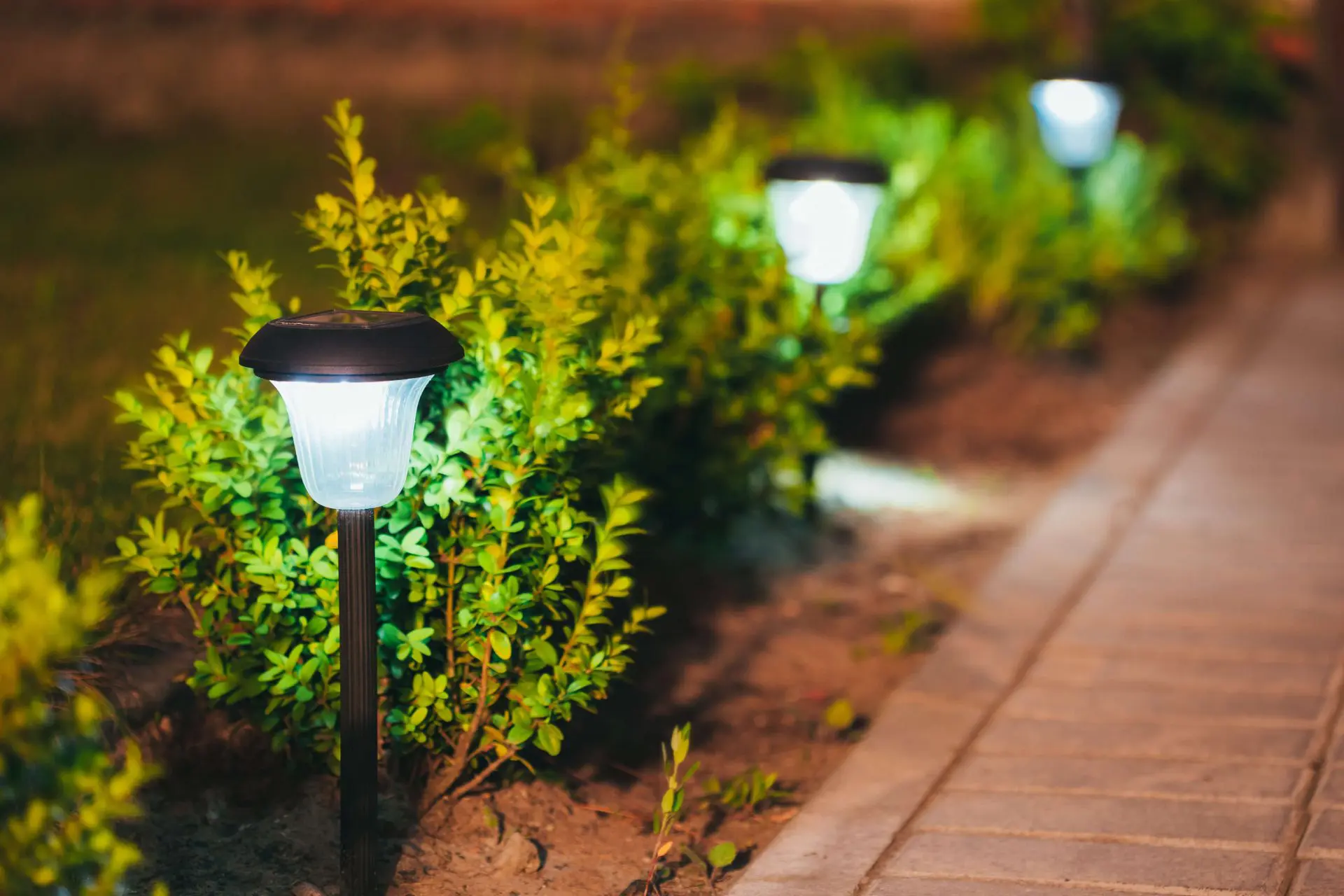
Exterior lighting plays a much bigger role in a home than many homeowners realize. Well-planned exterior lighting enhances safety, improves security, and elevates curb appeal all at once. From illuminating walkways to highlighting architectural features, the right lighting choices will make a home feel welcoming while also serving a very practical purpose. Improving exterior lighting involves using light strategically to support how a house is used on a daily basis.
Why Exterior Lighting Matters More Than You Think
Exterior lighting directly impacts how a home functions after sunset. Poor lighting can create safety hazards, make navigation difficult, and leave certain areas vulnerable to unwanted activity. On the other hand, thoughtfully designed exterior lighting helps prevent trips and falls, clearly defines pathways, and allows homeowners and guests to move confidently around the property at night. Beyond safety, exterior lighting also influences first impressions. A well-lit home feels more inviting and cared for, which can increase perceived value and pride of ownership. Lighting that highlights landscaping, entryways, and architectural details adds dimension and character that daylight alone cannot achieve.
The Importance of Safety and Visibility
One of the most important reasons to improve exterior lighting is safety. Walkways, steps, driveways, and changes in elevation should always be clearly visible after dark. Inadequate lighting in these areas increases the risk of slips and falls, especially during wet or icy conditions. Entry points deserve special attention. Front doors, side doors, and garage entrances should be well illuminated so keys are used easily and visitors can be identified before opening the door. Motion-activated lighting could be particularly effective in these locations, providing light only when needed while conserving energy.
Increase Home Security With Exterior Lighting
Exterior lighting is a powerful deterrent against unwanted activity. Dark areas around a home may provide concealment, while well-lit spaces reduce hiding spots and increase visibility. The strategic placement of lighting around the perimeter of the house, especially near access points, sends a clear signal that the property is actively maintained and well-monitored. Motion-sensor lights near garages, side yards, and rear entrances add an extra layer of protection. These lights draw attention to movement and will alert homeowners to activity without remaining on all night. Consistent, balanced lighting is key; overly bright fixtures could create glare and deep shadows, which may actually reduce visibility rather than improve it.
Using Lighting to Enhance Curb Appeal
Exterior lighting is not only functional, but also an aesthetic tool. Accent lighting can highlight landscaping, trees, stonework, or architectural features, adding depth and visual interest to the home after dark. Soft, layered lighting creates a warm and welcoming atmosphere that stands out in the neighborhood. Choosing fixtures that complement the home’s architectural style helps maintain a cohesive look. Warm color temperatures generally feel more inviting, while cooler tones may be appropriate for modern designs or security-focused areas. The goal is balance; lighting should enhance the home without overwhelming it.
Energy-Efficient Exterior Lighting Options
Modern exterior lighting offers many energy-efficient options that reduce operating costs while maintaining performance. LED fixtures use significantly less energy than traditional bulbs and last much longer, making them a practical upgrade for most homes. Timers, photocells, and smart lighting controls further improve efficiency by ensuring lights operate only when needed. These features enable homeowners to maintain consistent lighting without wasting energy or requiring frequent manual adjustments.
Planning for Long-Term Success
Improving outdoor lighting is most effective when approached as part of an overall plan. Understanding how different areas of the property are used allows lighting to be tailored to specific needs. Safety lighting, security lighting, and decorative lighting should work together rather than compete. It is also important to consider the placement and direction of light. Fixtures should illuminate surfaces evenly and avoid shining directly into windows or neighboring properties. Proper planning ensures exterior lighting remains effective, comfortable, and visually appealing for years to come.
Frequently Asked Questions (FAQs)
How much lighting is enough?
Enough outdoor lighting allows safe movement around the home without creating harsh glare or deep shadows. Coverage is more important than brightness.
Is motion-activated lighting a good choice?
Motion-activated exterior lighting is effective for security and energy savings, especially near entry points and less frequently used areas.
What type of bulbs are best for exterior lighting?
LED bulbs are generally the best option due to their high energy efficiency, long lifespan, and consistent light output.
Should the lighting stay on all night?
Exterior lighting does not need to stay on all night. Timers, motion sensors, and smart controls allow lighting to be available when needed without unnecessary use.
Can outdoor lighting increase home value?
Yes. Well-designed outdoor lighting enhances safety, improves curb appeal, and contributes to a positive overall impression of the home.
PRIME Home Inspections offers home inspections to homebuyers and sellers in western Washington state. Contact us to schedule an appointment for our services.