
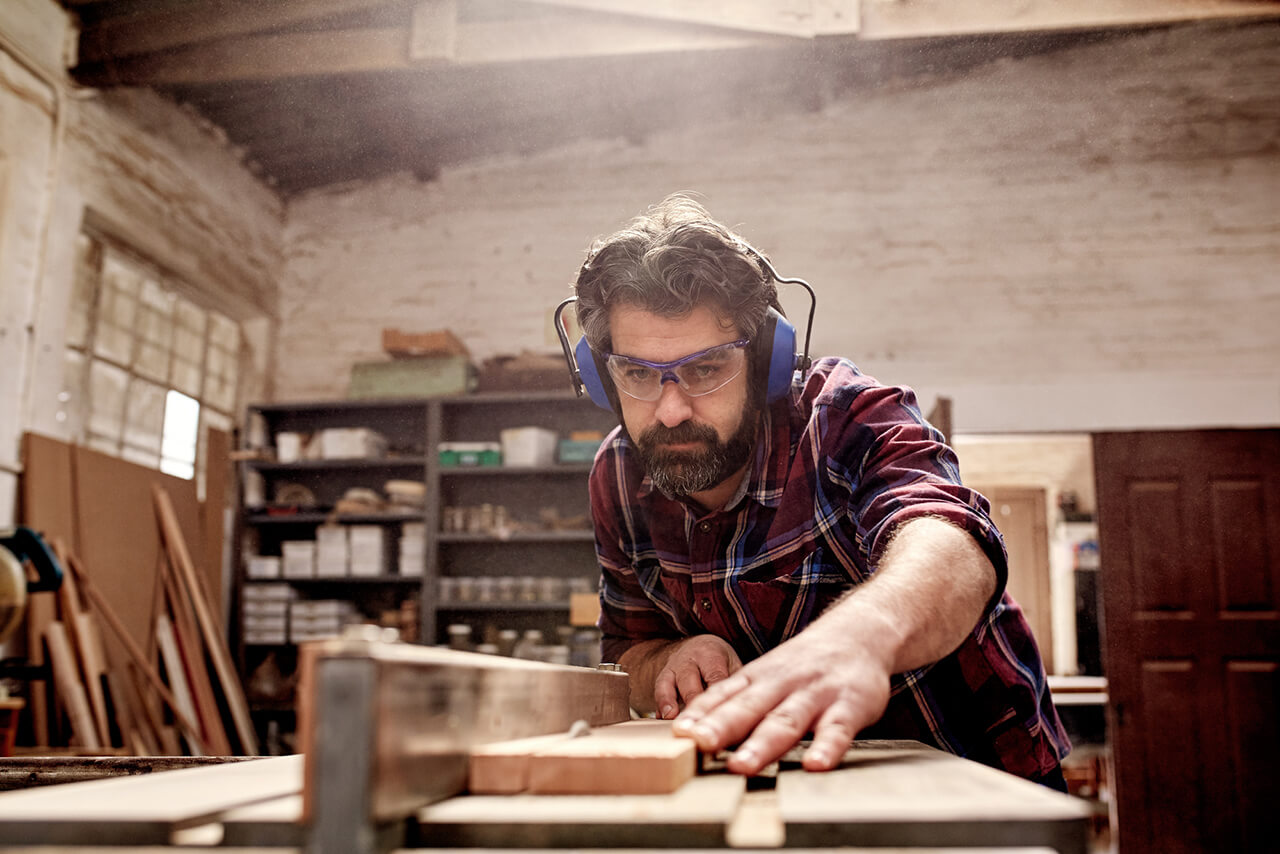
There’s real satisfaction in tackling home improvement work yourself. But DIY enthusiasm without proper preparation is a fast track to preventable accidents, costly mistakes, and projects that end in an emergency room rather than a finished room. Knowing the right precautions for DIY projects before you pick up a tool is just as important as knowing the right technique, and in many cases, it’s the difference between a successful weekend project and a serious injury.
Why Precautions for DIY Projects Matter More Than Most People Assume
Home improvement injuries are far more common than most homeowners realize. Millions of Americans visit the ER each year due to accidents with tools, ladders, and building materials, the majority involving people working on their own homes. The tasks most associated with serious injury aren’t always the most complex. Falls from ladders, cuts from power tools, and eye injuries from flying debris are among the most frequent DIY incidents. Taking precautions for DIY projects doesn’t require expert knowledge or expensive equipment. It requires slowing down, wearing the right protective gear, understanding the limits of your tools, and recognizing when a project is outside your capability.
Protect Yourself Before You Pick Up a Tool
Personal protective equipment is the foundation of any set of precautions for DIY projects, and consistently the most skipped step. Safety glasses are non-negotiable for any work involving cutting, drilling, grinding, or overhead tasks, debris travels fast and eyes are unforgiving of lapses. Hearing protection matters more than most DIYers realize. Extended exposure to power tools causes cumulative hearing damage that may not be apparent for years. A set of earplugs or earmuffs is a minimal investment against a significant long-term risk. Dust masks or respirators protect against particles from sanding, cutting masonry, or working with insulation, invisible hazards that cause serious respiratory harm over time.
Work gloves protect hands during demolition and heavy material handling, though they should be removed when operating rotating tools like drills or table saws. Closed-toe, non-slip footwear is essential on any job site, regardless of how casual the project feels.
Precautions for DIY Projects Requiring Height
Falls from ladders are the leading cause of serious injury in residential DIY work, making ladder safety one of the most critical precautions for DIY projects. Always use a ladder rated for your weight plus tools and materials. Inspect it before use and set it on a firm, level surface at the correct angle. Never stand on the top two rungs of a stepladder or lean past your center of gravity. Keep three points of contact at all times when climbing or descending. Have someone stabilize the base when working at a significant height. These rules feel basic, but they’re violated constantly, which is exactly why ladder falls remain so common.
Know When to Call a Professional
One of the most important precautions for DIY projects is also one of the most overlooked: knowing your limits. Electrical work, structural modifications, gas line connections, and work that requires permits all involve risks that DIY enthusiasm doesn’t mitigate. A wiring mistake can cause a fire weeks after the project is complete. An improperly supported load-bearing wall could fail. The cost of a licensed professional is always less than the cost of getting these things wrong. When a project requires skills, tools, or knowledge significantly beyond your current level, consult a professional or take a course before proceeding. Honesty about what you know and don’t know is itself a safety precaution.
Frequently Asked Questions (FAQs)
What personal protective equipment do I really need for DIY projects?
At minimum, safety glasses, hearing protection, and dust protection should be on hand for any project involving power tools, cutting, sanding, or overhead work. Gloves are valuable for demolition and material handling.
How do I safely use power tools if I’m not very experienced?
Read the manual before using any unfamiliar tool. Start slow, practice on scrap material, and never disable safety guards. Keep the work area clean and well-lit, secure workpieces with clamps rather than holding them, and never operate power tools when fatigued. A short course at a local hardware store is an efficient way to build confidence with unfamiliar equipment.
What DIY projects should homeowners avoid doing themselves?
Electrical panel work, gas line connections, structural modifications, and any work requiring permits are typically outside the DIY scope. Asbestos and lead paint remediation also require licensed professionals. Beyond those categories, honest self-assessment is the determining factor.
How do I set up a safe workspace for DIY projects at home?
Clear the area of tripping hazards, ensure adequate lighting, and keep a fire extinguisher accessible if heat-generating work is involved. Keep tools organized and out of reach of children, ventilate when working with paints or solvents, and have a first aid kit within easy reach.
Is it safe to do electrical work yourself?
Minor tasks, such as replacing a switch, swapping a fixture, or installing an outlet in an existing box, are within reach for homeowners with basic knowledge. Always turn off the circuit breaker first and verify power is off with a non-contact voltage tester. For new wiring, subpanels, or circuit additions, a licensed electrician is the safe and legally correct choice in most jurisdictions.
PRIME Home Inspections offers home inspections to homebuyers and sellers in western Washington state. Contact us to schedule an appointment for our services.