
Summer cooling bills are one of the most significant and most frustrating household expenses. In many homes, a substantial portion of that expense is driven by habits, settings, and patterns that could be changed without touching a thermostat wire or calling a contractor. Reducing cooling costs doesn’t always require equipment upgrades or major home improvements. For homeowners who want to make a meaningful dent in their summer utility bills starting immediately, the most underestimated strategies are the behavioral and management ones that cost nothing at all to implement.
How Small Decisions Drive Big Cooling Costs
Most homeowners treat their air conditioning as a binary choice, on or off, comfortable or suffering. The reality is that cooling costs are determined by dozens of small decisions made throughout each day: when the thermostat is set, how the home is managed relative to outdoor temperature patterns, what internal heat sources are contributing to the cooling load, and how effectively natural ventilation opportunities are being used. The cumulative effect is enormous. The Department of Energy estimates that for every degree the thermostat is raised, cooling costs decrease by approximately three percent. That single variable, managed consistently across a summer, represents a meaningful reduction without any equipment change or investment.
Managing Your Thermostat to Control Cooling Costs
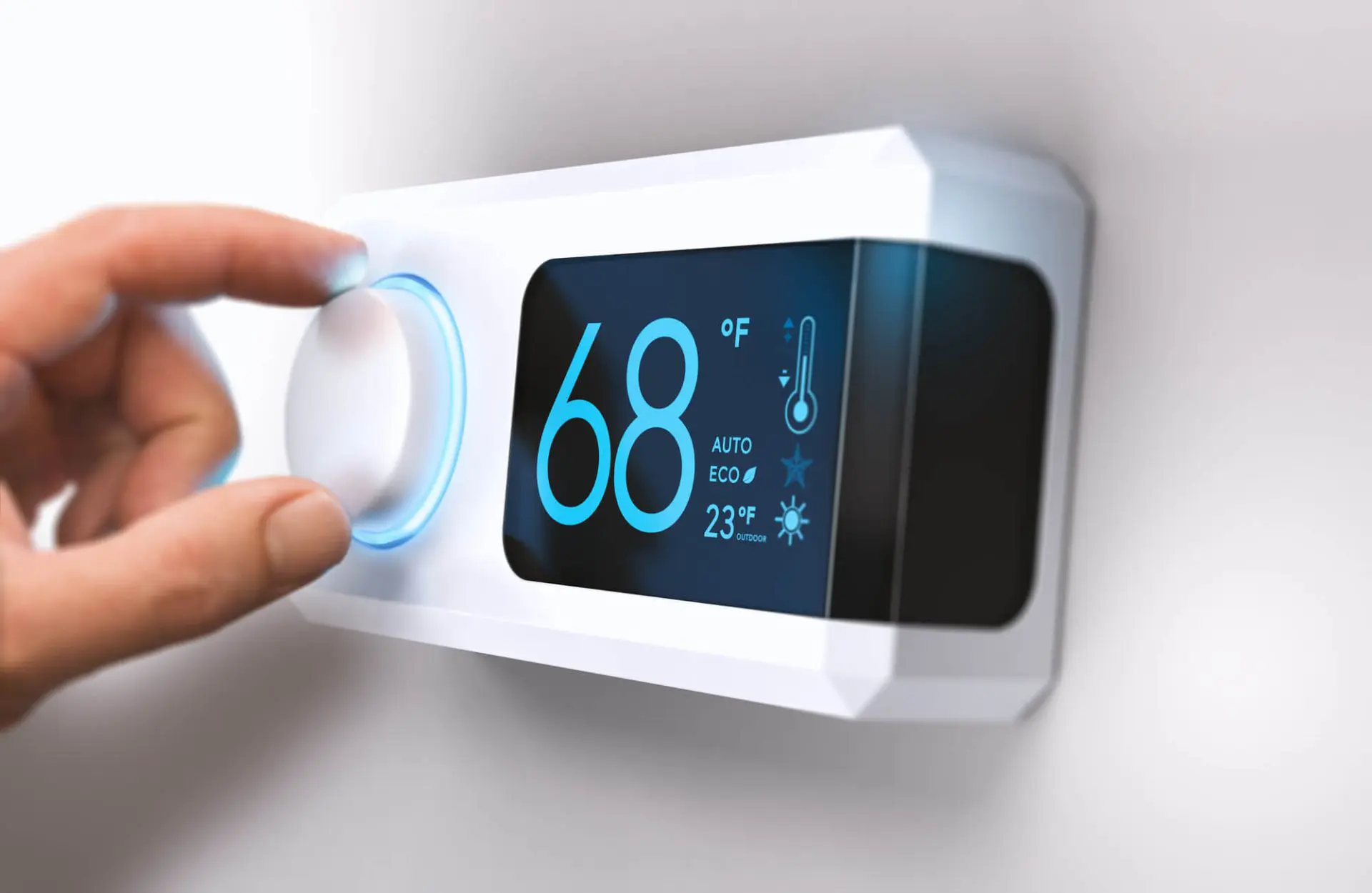
Thermostat management is where the most direct control over cooling costs lives, and most homeowners use it less strategically than they could. The most impactful thermostat behavior is setting the temperature higher when the home is unoccupied. Cooling an empty house to 72°F all day while everyone is at work represents some of the most expensive cooling a home produces. Setting the thermostat to 78 to 80°F during unoccupied hours and returning it to comfort level before occupants arrive eliminates this cost without anyone experiencing discomfort. A programmable thermostat handles this automatically; a smart thermostat with occupancy detection handles it without any programming at all. The setpoint during occupied hours matters too. Research consistently shows that 78°F with a ceiling fan running feels comparable to 74°F without one; the moving air creates a wind chill effect that changes perceived comfort without changing actual temperature. Raising the setpoint by three to four degrees while running ceiling fans costs a fraction of those extra degrees in electricity.
Reducing Internal Heat Sources
The air conditioning system doesn’t just fight outdoor heat; it fights every heat source inside the home as well. Reducing these internal heat gains directly reduces cooling costs without any thermostat adjustment required. Cooking is one of the most significant internal heat sources during summer. Oven and stovetop cooking on hot days adds substantial heat at exactly the time the cooling system is working hardest. Shifting cooking to morning hours, using the microwave or outdoor grill, or relying on no-cook meals on the hottest days reduces the cooling load during peak afternoon hours. Switching to LED bulbs reduces both electricity consumption and heat generation; incandescent and older halogen lighting converts a significant portion of their electricity to heat rather than light. It’s a double benefit for cooling costs during summer months.
Using Natural Ventilation and Shading to Lower Cooling Costs
In most climates, nighttime temperatures drop enough to make overnight ventilation genuinely effective. Opening windows strategically flushes the home with cool air overnight and delays when the air conditioning needs to run each morning. Window shading directly reduces cooling costs by preventing solar heat gain before it enters the home. South and west-facing windows receive the most direct afternoon sun. Keeping blinds or curtains closed on these windows during peak sun hours prevents heat from transferring into the room. Exterior solutions, awnings or strategic plantings, are more effective still, blocking heat before it reaches the glass.
Frequently Asked Questions (FAQs)
What is the ideal thermostat setting to balance comfort and cooling costs?
The Department of Energy recommends 78°F when home and awake, with higher settings when away. Each degree above 72°F saves approximately 3 percent on cooling costs; the difference between 72°F and 78°F is roughly 18 percent in savings. Ceiling fans allow 78°F to feel like 74 to 75°F, making the recommended setting genuinely comfortable when fans are running in occupied rooms.
Do ceiling fans actually reduce cooling costs or just make it feel cooler?
Ceiling fans create a wind chill effect that makes occupants feel cooler without lowering air temperature, which means they only save money on cooling costs when someone is in the room to benefit from them. Running a fan in an empty room provides no benefit and wastes electricity. The correct approach is running fans in occupied rooms while raising the thermostat by three to four degrees.
How much can behavioral changes reduce cooling costs?
Strategic thermostat management, ceiling fan use, reduced internal heat generation, and natural ventilation can reduce summer cooling costs by 15 to 25 percent for most households without any equipment changes. The exact savings depend on current habits; homes cooling unoccupied spaces to low temperatures have the most to gain.
Does closing interior doors save cooling costs?
In most forced-air HVAC systems, closing interior doors creates pressure imbalances that reduce efficiency; the system is designed to move air through the entire connected space. Keeping interior doors open allows air to circulate freely and the system to operate as designed. The exception is rooms with dedicated mini-split units.
Is it cheaper to keep the AC at a constant temperature all day or let it fluctuate?
Letting the temperature rise when the home is unoccupied and returning it to the comfort level before arrival is consistently more energy efficient than maintaining a constant cool temperature all day. The efficiency gain from not cooling an empty house outweighs the brief higher-load recovery period.
PRIME Home Inspections offers home inspections to homebuyers and sellers in western Washington state. Contact us to schedule an appointment for our services.