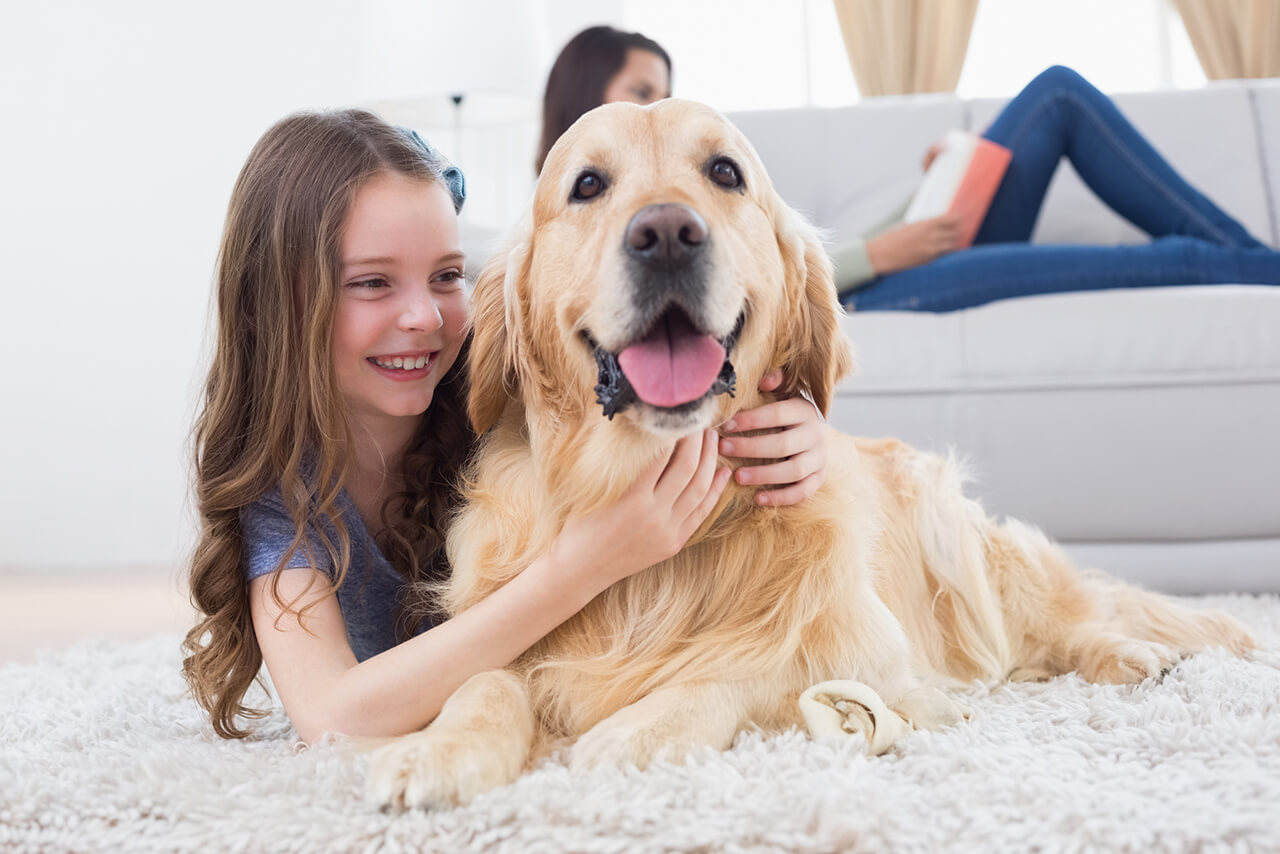
Pet-proofing your home is one of the most important things you can do when you bring a new animal into the family. Pets explore with their mouths, their paws, and their instincts, and the home that feels perfectly safe to a human may contain a surprising number of hazards for a curious dog or cat. The good news is that pet-proofing your home doesn’t require a complete overhaul; it requires a systematic approach to identifying and addressing the specific risks that apply to your pet’s species, size, and habits.
Pet-Proofing Your Home Room by Room
The most effective approach to pet-proofing your home is the same approach that works for any safety audit: working through the space systematically rather than addressing whatever catches the eye in the moment. Different rooms present different risks, and different pets present different vulnerabilities. The kitchen creates the most concentrated hazards. Food storage is the first concern. Many human foods are toxic to dogs and cats, including onions, garlic, grapes, raisins, chocolate, xylitol, and macadamia nuts. Floor-level cabinets containing cleaning products, accessible trash cans, and the gap beneath the stove are all hazards worth addressing. Child-proof cabinet latches work equally well for pets. A trash can with a locking lid eliminates one of the most common sources of dietary mischief for dogs.
Bathrooms present consistent hazards regardless of pet species. Toilet lids left open pose a drowning risk for small dogs and cats. Medications left on counters or in accessible bags are a significant toxicity risk. Personal care products should be stored in closed cabinets rather than left on ledges or in low baskets.
The Outdoor Side of Pet-Proofing Your Home
For pet owners with yards, the outdoor environment requires as much attention as the interior, and in some respects more, because the hazards are less visible and less controlled. Fencing is the foundation of outdoor pet safety. A fence that appears solid may have gaps at the base, loose panels, or latching failures that a motivated dog can exploit. Walking the perimeter at ground level reveals vulnerabilities that a standing inspection misses. Gates should latch securely from both sides at a height the dog can’t reach.
Landscaping is one of the most overlooked components of pet-proofing your home exterior. Many common garden plants are toxic to pets. Before planting anything new or allowing a pet into an existing garden, verifying the toxicity of every plant present is worth the time. The ASPCA maintains a comprehensive toxic and non-toxic plant database covering dogs, cats, and horses. Pesticides, herbicides, and fertilizers should be applied when pets are kept indoors and stored in a locked shed or closed garage cabinet.
Inside Safety: Cords, Chemicals, and Hidden Hazards
The hazards inside a home that are easiest to overlook are the ones that exist in every room but don’t register as hazards because they’re part of the normal environment. Electrical cords are a significant risk for puppies and kittens especially, who may chew them out of curiosity or teething. Routing cords through walls, using cord covers, or keeping them behind furniture addresses this risk simply. Surge protectors and power strips accessible at floor level should be covered or tucked away.
Common houseplants are worth auditing as part of pet-proofing your home interior. Pothos, philodendrons, peace lilies, and snake plants, all extremely common, are toxic to cats and dogs to varying degrees. Moving plants to hanging positions or high shelves is the simplest remedy when removing them isn’t an option.
Frequently Asked Questions (FAQs)
What are the most dangerous household hazards for pets that homeowners typically overlook?
Human medications are the most commonly underestimated; even a single ibuprofen or acetaminophen tablet could be fatal to a dog or cat. Common foods like grapes, raisins, xylitol-sweetened products, and garlic are also frequently overlooked. Essential oil diffusers could cause significant toxicity in cats.
How do I pet-proof my home for a new puppy?
Puppies require significantly more intensive pet-proofing because they explore with their mouths, have no established boundaries, and fit into spaces an adult dog can’t. The floor-level perspective is the starting point: get low and look at the space the way a puppy would, which reveals cord hazards, small objects, and gaps invisible from standing height.
Are there specific plants I should remove when pet-proofing my home with cats?
Yes, true lilies, including Easter lily, tiger lily, and Asiatic lilies, can cause acute kidney failure in cats with even a small exposure. Oleander, sago palm, and autumn crocus are also severely toxic. The ASPCA Animal Poison Control Center database at aspca.org is the most comprehensive publicly available resource for verifying any specific plant’s toxicity status.
What’s the best way to secure trash cans when pet-proofing?
A trash can with a locking lid is the most reliable solution. Storing the can inside a cabinet with a pet-proof latch is even more effective because it removes the visual and olfactory cue entirely. Under-sink trash storage is popular for this reason.
How do I find out if a plant, food, or household product is toxic to my pet?
The ASPCA Animal Poison Control Center (888-426-4435) provides 24-hour consultation for potential poisoning, and their website maintains searchable databases for toxic plants and other hazards. The Pet Poison Helpline (855-764-7661) is another 24-hour resource. If you suspect your pet has ingested something toxic, contact a poison control line or emergency veterinary clinic immediately.
PRIME Home Inspections offers home inspections to homebuyers and sellers in western Washington state. Contact us to schedule an appointment for our services.