In Western Washington, moss is almost a fact of life. Mild temperatures, frequent rain, and shade from tall evergreens create perfect conditions for it, and plenty of roofs wear a soft green coat by winter. A little moss may look harmless, but it holds moisture against shingles, lifts their edges, and may shorten the life of a roof. The good news is that you can remove it safely and keep it from returning. Here’s how to deal with roof moss the right way, what to avoid, and when to call a professional.
Why Roof Moss Matters and Why It Grows Here
Moss thrives in damp, shaded spots, especially on north-facing slopes and under overhanging trees. It acts like a sponge, holding water against the roof surface long after the rain stops. Spores travel on the wind, so even a clean roof can regrow if conditions stay damp and shaded. Its tiny roots work under the edges of shingles and lift them, which opens gaps for water. Moss may strip granules from asphalt shingles, rot wood shakes, clog gutters, and trap debris that feeds more growth. Low-pitch roofs and roofs covered with needles and leaves are especially vulnerable. Over time, it can lead to leaks and early replacement, which is why it’s worth handling rather than ignoring. Moss also grows on decks, siding, and gutters, so check the rest of the exterior as well.
Remove Moss Gently and Safely
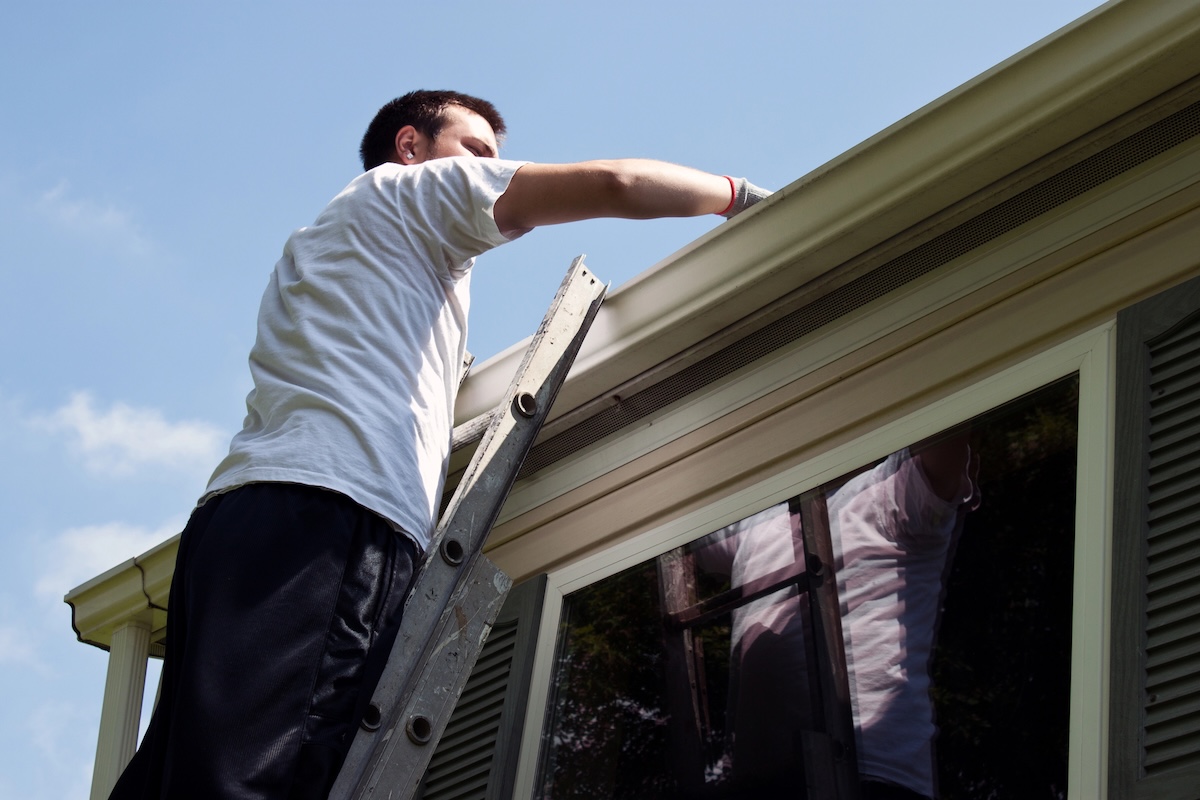
Safety comes first, since a wet, mossy roof is extremely slippery, and many homeowners are better off hiring a professional. If you do the work, use a soft brush or broom and sweep from the top downward so you don’t lift shingle edges. Never use a pressure washer, which strips granules and drives water under shingles. Roof moss killers made with zinc sulfate or potassium salts of fatty acids work well when applied according to the label, usually on a damp, mild day. Work in small sections, and let the product do the work, and rinse gently only if the label says to. Protect plants and landscaping from runoff, take photos before and after so you can see how well the treatment worked, and avoid bleach, which can harm both shingles and plants. Wear non-slip shoes, use a harness if you must be on the roof, and never work alone or in wet conditions.
Prevent Roof Moss From Coming Back
Prevention is easier than repeated removal. Trim overhanging branches so sunlight and air dry the roof, and keep leaves and needles cleared. Clean gutters so water drains instead of backing up. Install zinc or copper strips near the ridge, since rainwater carries metal ions down the roof and discourages growth. Treat the roof annually, often in spring or early fall, to stay ahead of regrowth. Consider ventilation, since a damp attic could contribute to a wetter roof. When replacing shingles, ask about algae and moss-resistant products, which could slow regrowth. Watch the shaded north-facing slopes, since moss usually appears there first. Check the roof again after the rainy season to catch any regrowth early. A little yearly attention keeps roof moss from building into a major repair. Keep gutters and downspouts clear, and check them after storms, since trapped water keeps the roof edge damp.
Know When to Call a Roofer or Replace
Moss may hide damage underneath. Look for lifted or missing shingles, granule loss in the gutters, soft or spongy spots, interior water stains, and daylight in the attic. If moss is thick, widespread, or the roof is already near the end of its life, a professional inspection is a good idea. A roofer can tell whether cleaning will be enough or whether sections need repair or replacement. If you’re considering a new roof, get at least three written bids, confirm the contractor’s license and insurance, and ask about warranties. Ask how the contractor will handle ventilation and flashing, since those details affect how well a new roof resists moisture. Don’t wait until a leak shows up inside to find out the roof’s condition.
Frequently Asked Questions (FAQs)
Is roof moss really harmful?
Yes. It holds moisture, lifts shingles, and can shorten roof life over time. It can also hide damage beneath it.
Can I pressure wash the moss off?
No. Pressure washing can strip granules and force water under shingles, which causes more damage than the moss itself.
How often should I treat my roof?
Many homeowners treat annually or as needed, depending on shade and moisture. Spring and early fall are common times.
Do zinc strips work?
They can help prevent regrowth, but they work best along with regular cleaning and a roof that gets sunlight and airflow.
Should I hire a professional?
For steep, slippery, or high roofs, yes. Safety matters more than savings, and professionals have the equipment to work safely.
PRIME Home Inspections offers home inspections to homebuyers and sellers in western Washington state. Contact us to schedule an appointment for our services.