A running toilet, a dripping faucet, a slow drain, or a leaking supply line under the sink are the common plumbing issues that account for the majority of residential plumbing service calls, and every one of them is addressable with basic tools, readily available parts, and the willingness to follow a straightforward process. Knowing how to handle common plumbing issues independently doesn’t just save money on service calls; it builds the diagnostic familiarity with the home’s plumbing system that makes every future issue easier to identify and address.
The Common Plumbing Issues That Cost the Most Over Time
A running toilet is the plumbing issue with the highest hidden cost. Running continuously, it adds meaningful volume to the monthly water bill without being as obvious as a visible leak. The cause is almost always one of three components: a faulty flapper that doesn’t seat correctly, a fill valve that doesn’t shut off at the correct water level, or a float set too high that allows water to overflow continuously into the overflow tube. Replacing a flapper, the most common cause, costs under five dollars and requires no tools. A fill valve replacement is slightly more involved but entirely within DIY capability with the water shut off at the supply valve beneath the toilet. Dripping faucets are the common issues most people learn to ignore, but a faucet dripping once per second wastes more than three thousand gallons annually. The repair begins with identifying the faucet type, shutting off the water, and replacing the worn washer, cartridge, or ceramic disc with an exact match from the hardware store.
The Common Plumbing Issues With the Most DIY-Friendly Solutions
Slow drains and clogs are the common plumbing issues most homeowners encounter most frequently. A bathroom sink that drains slowly is almost always the result of hair and soap scum at the drain stopper or P-trap. The first step is removing and cleaning the stopper rather than reaching for a chemical drain cleaner that may damage pipes with repeated use. A drain snake, either a simple handheld version or a power auger for stubborn clogs, clears the majority of blockages that stopper cleaning doesn’t resolve, mechanically and without the pipe degradation that liquid drain openers introduce. A kitchen drain that runs slowly is almost always grease accumulation; flushing with very hot water and dish soap regularly is a prevention habit that slows accumulation before it becomes a full blockage.
Supply Line Leaks and Shut-Off Valve Issues
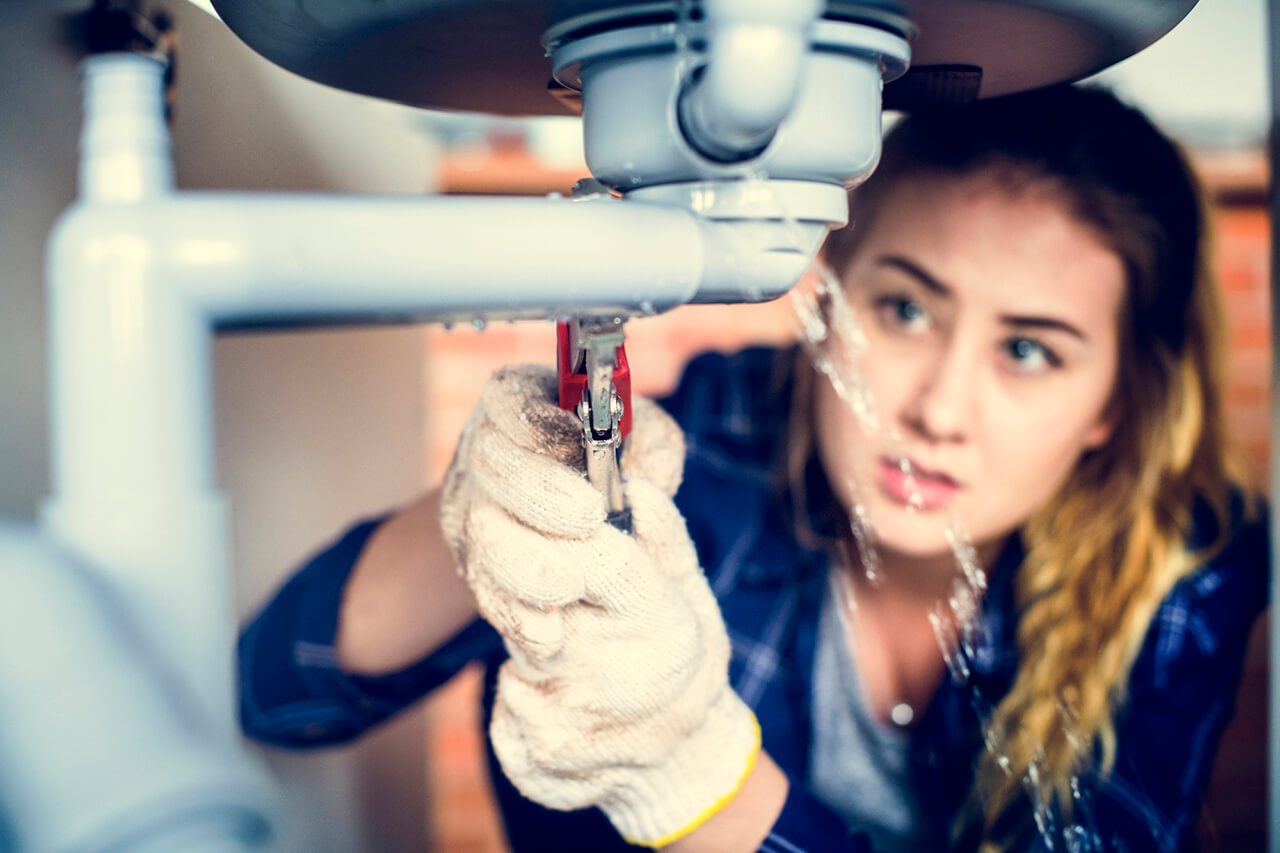
The braided stainless supply lines that connect the shut-off valves beneath sinks and toilets to the fixtures themselves are the location most homeowners discover when they notice the cabinet under the sink is damp. Supply lines have a limited service life, typically eight to twelve years, and replacing an aging or dripping supply line is a straightforward DIY repair that requires nothing more than two adjustable wrenches and a replacement line from the hardware store. Shut off the water at the valve beneath the fixture, unscrew the line from the valve and the fixture fitting, and thread the new line on hand-tight before snugging with a wrench; over-tightening is the most common installation mistake and the most common cause of a new fitting leak.
Frequently Asked Questions (FAQs)
When should I call a plumber instead of fixing plumbing issues myself?
Fixture-level repairs are appropriate DIY issues. Professional involvement is warranted for work inside walls, supply or drain line modifications beyond the fixture connection, main water or sewer line issues, gas line work, and any repair requiring a permit. A useful rule: if the fixture’s individual shut-off valve controls the problem, it’s likely a DIY repair; if the main shut-off needs to be involved, professional assessment is worth considering.
How do I know if my toilet is running without hearing it?
The food coloring test: add several drops to the tank and wait fifteen minutes without flushing. If color appears in the bowl, the flapper isn’t seating correctly, and water is continuously draining.
Can I use chemical drain cleaners to fix slow drains?
Chemical drain cleaners are effective for some organic clogs but are corrosive to older pipes and certain fittings, hazardous if they contact skin or eyes, and ineffective against hair and soap scum clogs that a drain snake removes more reliably. Mechanical clearing with a snake or stopper removal produces better long-term results than repeated chemical treatment that degrades drain components without addressing the root cause.
What tools do I need to fix most common plumbing issues at home?
An adjustable wrench, channel-lock pliers, a drain snake, a toilet flapper kit, replacement supply lines in common sizes, and plumber’s tape cover the majority of plumbing issues a homeowner will encounter. A basin wrench for reaching faucet nuts in tight spaces rounds out the set.
How do I prevent plumbing issues from developing?
Check supply line condition under sinks and toilets annually and replace any line approaching ten years before it fails. Flush kitchen drains with hot water and dish soap regularly to slow grease accumulation. Use drain screens in bathroom sinks and tubs to catch hair before it reaches the drain. Check the toilet flapper periodically for mineral buildup that prevents a complete seal.
PRIME Home Inspections offers home inspections to homebuyers and sellers in western Washington state. Contact us to schedule an appointment for our services.